Crypto-stock Meme is an emerging trading model that pairs Meme tokens with on-chain stocks or tokenized real-world assets. Learn about the trading mechanisms of MEME and AMC, the drivers behind Robinhood Chain’s popularity, and the potential risks.
2026-11-04 08:15:41
Artificial Inu (AINVDA) is a meme coin built around the intersection of artificial intelligence, NVIDIA, and onchain culture. The project uses an Artificial Inu dog as its mascot and centers its narrative on the growth of AI computing, GPUs, and demand for NVIDIA-related infrastructure.
2026-11-04 08:15:39
The Meme market is undergoing a major transition: the core variables influencing prices are gradually shifting from the personal credibility of a small number of top KOLs to public trading, Tiempo real data, social distribution, and faster narrative iteration. This article places less emphasis on specific individuals and focuses instead on how Meme connects with Fiat, stocks, and platform ecosystems, as well as how this shift is reshaping user behavior, liquidity, and the structure of the crypto market.
2026-11-04 08:15:39
Niu Lai is a Meme coin whose narrative is rooted in internet culture and film-related discourse. Its name is derived from the domestic theatrical animated film *Niu Lai*. Following the film’s release, its modeling, visuals, and plot prompted widespread discussion among audiences, giving rise to an internet phenomenon with Meme characteristics. As related content spread across social media, “Niu Lai” gradually evolved from a film title into an internet cultural symbol and, ultimately, a Meme coin narrative in the crypto Mercado.
2026-11-04 08:15:39
RWA Meme is a digital token that combines real-world assets or current events with Meme culture, on-chain trading, and community engagement. It may build narratives around themes such as U.S. stocks, gold, copper, indexes, and robots, and may incorporate mechanisms such as buybacks, dividends, staking, and token burns. However, referencing real-world asset concepts does not mean that holders actually own the corresponding stocks or commodities.
2026-11-04 08:15:38
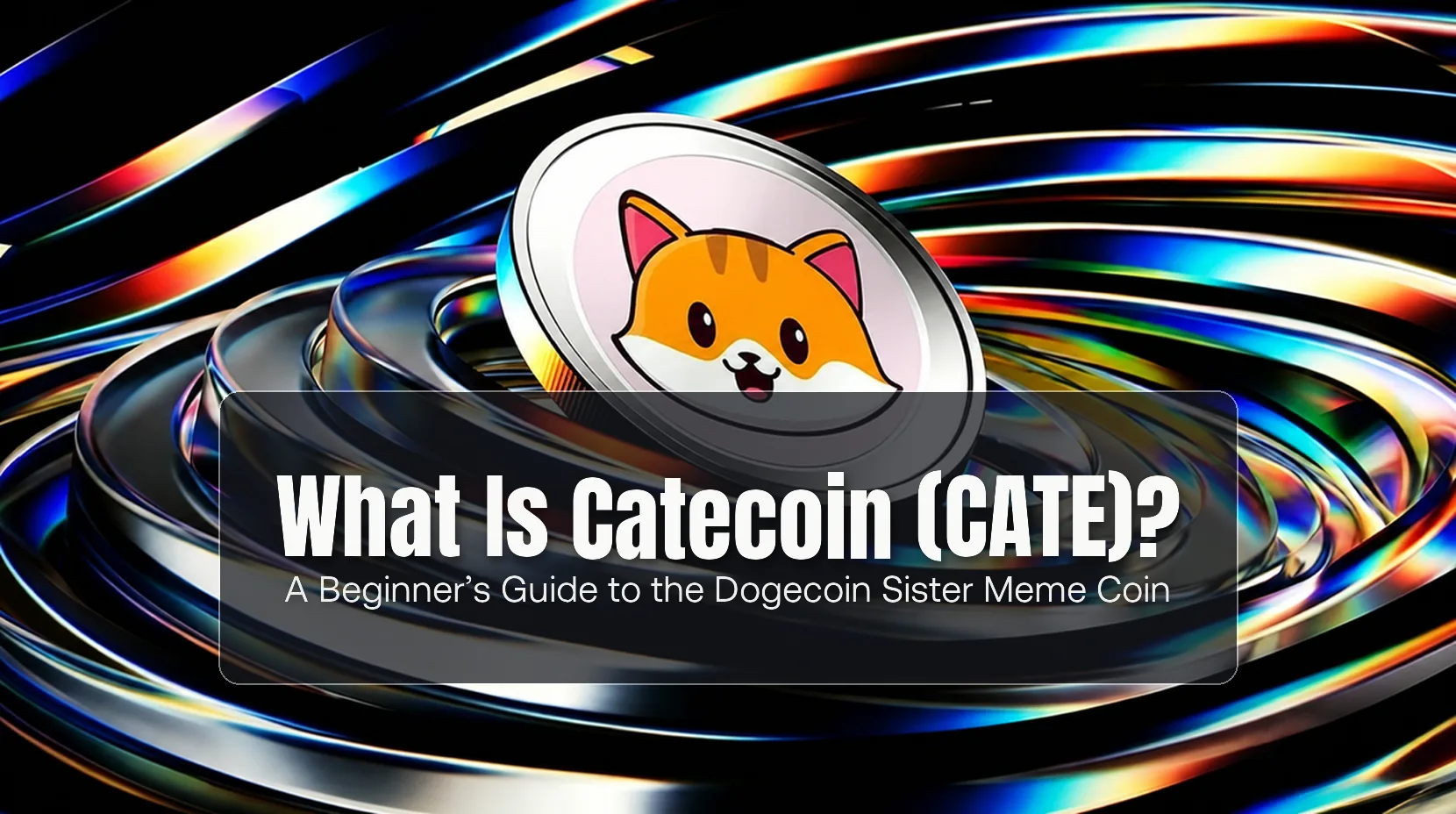
Catecoin (CATE) is a Solana-based meme coin that presents itself as the “cat sister of Dogecoin.” Its narrative draws a playful parallel between DOGE and CATE, using the idea of “Dog + E” and “Cat + E” to position CATE within the broader meme coin culture. The project was inspired by a rescued kitten shared by Atsuko Sato, the owner of Dogecoin’s original inspiration, Kabosu.
2026-11-04 08:15:34
Meme projects rely heavily on community participation, cultural narratives, and continuous content creation. Unlike traditional applications that grow through product features alone, Meme projects often gain attention through user-generated content, social discussions, and viral distribution.
2026-11-04 08:15:13
The 2U2 token is the native token designed for the 2U2.ai ecosystem. It connects AI Meme creation, platform services, user incentives, and community participation through a token-based economic model.
2026-11-04 08:15:13
The growth of Meme communities has created a new demand for faster content creation, stronger community engagement, and more efficient ways to distribute viral narratives. As AI-generated content becomes increasingly common, Web3 projects are exploring new tools that connect creation, social interaction, and user participation.
2026-11-04 08:15:13
The Robinhood Chain ecosystem can be categorized into four areas: trading, lending, meme issuance, and infrastructure. Uniswap and similar platforms provide exchange and liquidity services, Morpho delivers lending solutions, NOXA Fun and Uniswap CCA represent direct pool entry and auction-based cold starts, respectively, while Alchemy, Chainlink, and LayerZero support nodes, oracles, and cross-chain operations. The inclusion of project names in the catalog does not represent platform endorsement or a security rating.
2026-11-04 08:14:58
CASHCAT's Roadmeow structures community engagement through phased meme-driven storytelling: it first activates symbolic memory, then expands social media reach, and finally strengthens on-chain belonging. While this approach enables rapid spread, its sustainability relies on the community's ability to produce content and maintain narrative consistency, not on the pace of feature iteration.
2026-11-04 08:14:53
You can participate in CASHCAT by following these five steps: Preparation — Bridging — Verification — Trading — Review. Start by setting up Robinhood Chain and the underlying Actifs, then cross-check the Futures contract address and conduct a small test transaction. Afterward, review the transaction hash, positions, and Approbation records. Adhering to this systematic approach helps minimize common operational risks associated with meme Actifs. Please note, CASHCAT is not an official Robinhood project.
2026-11-04 08:14:53
Key risks associated with CASHCAT participation include high volatility, unstable liquidity, counterfeit information, and operational errors. A more robust method involves implementing disciplined procedures: source verification, small-scale trial orders, Trader review, and Approbation management. The aim of risk management is not to eliminate volatility, but to manage acceptable losses amid market fluctuations. CASHCAT is not an officially affiliated project of Robinhood.
2026-11-04 08:14:53
A standard CASHCAT transaction consists of four main steps: setting up the Robinhood Chain network, bridging assets to the target chain, performing the swap after verifying the contract address, and finally, confirming results with the transaction hash and position status. Operational excellence relies not on speed, but on making sure every step is verifiable, traceable, and allows for error correction.
2026-11-04 08:14:53
CASHCAT’s parameter narrative can be summed up as “fixed total supply + low trading friction + pool de liquidez signal.” The 1B total supply defines the supply cap, 0/0 tax specifies the transaction fee structure, and LP burned indicates restrictions on liquidity control rights. While these three elements serve as appropriate verification entry points, they cannot independently determine risk levels and must be assessed alongside on-chain holdings, permissions, and pool status.
2026-11-04 08:14:53