Readers already using Gate Earn who need clarity on whether yield rolls into principal should start here. Simple Earn Flexible, Soft Staking, Fixed Term, On-Chain Earn, and Idle Earn each follow different payout and reinvest cadences. Below breaks down compounding and payout cadence by product.
Key Takeaways
- Compounding means earned yield stays in the accrual system so later periods charge interest on a larger base—it does not guarantee higher absolute returns.
- Simple Earn Flexible: assets borrowed at hour T pay interest at T+1, which is auto-reinvested; redeem before T+1 and forfeit that hour’s interest. The displayed rate updates with borrow demand; over a full year, hourly reinvestment can grow income beyond a simple percentage estimate.
- Soft Staking: daily rewards credit to spot balance, enlarging the next snapshot’s average-holding base—a balance-level compounding effect. The rate is calculated from daily snapshots; APY-style growth depends on rewards staying on balance over time.
- Simple Earn Fixed Term: interest settles with principal at maturity; early redemption forfeits all accrued interest. Return is calculated at settlement using the variable rate in effect through the term.
What Is Compounding in Earn Products?
Compounding in traditional finance means interest earns interest. Under Gate Earn, compounding means received interest or rewards remain inside the yield system (or on balance) so the next accrual cycle uses a larger base. Earn product selection helps match payout cadence to your holding plan.
Two clarifications: compounding describes mechanics, not fixed or higher returns; actual outcomes depend on payout frequency, auto-reinvest rules, and whether you redeem before payout. Est. APR is usually a simple annual reference—frequent reinvestment can diverge from a naive APR estimate, but displayed APR remains indicative, not guaranteed. Over a full year, reinvested yield can grow the effective return compared with simple interest, though Gate often displays Est. APR rather than APY. The rate shown is calculated as an annualized percentage; income you receive depends on how long you hold and whether rewards stay in the accrual base.
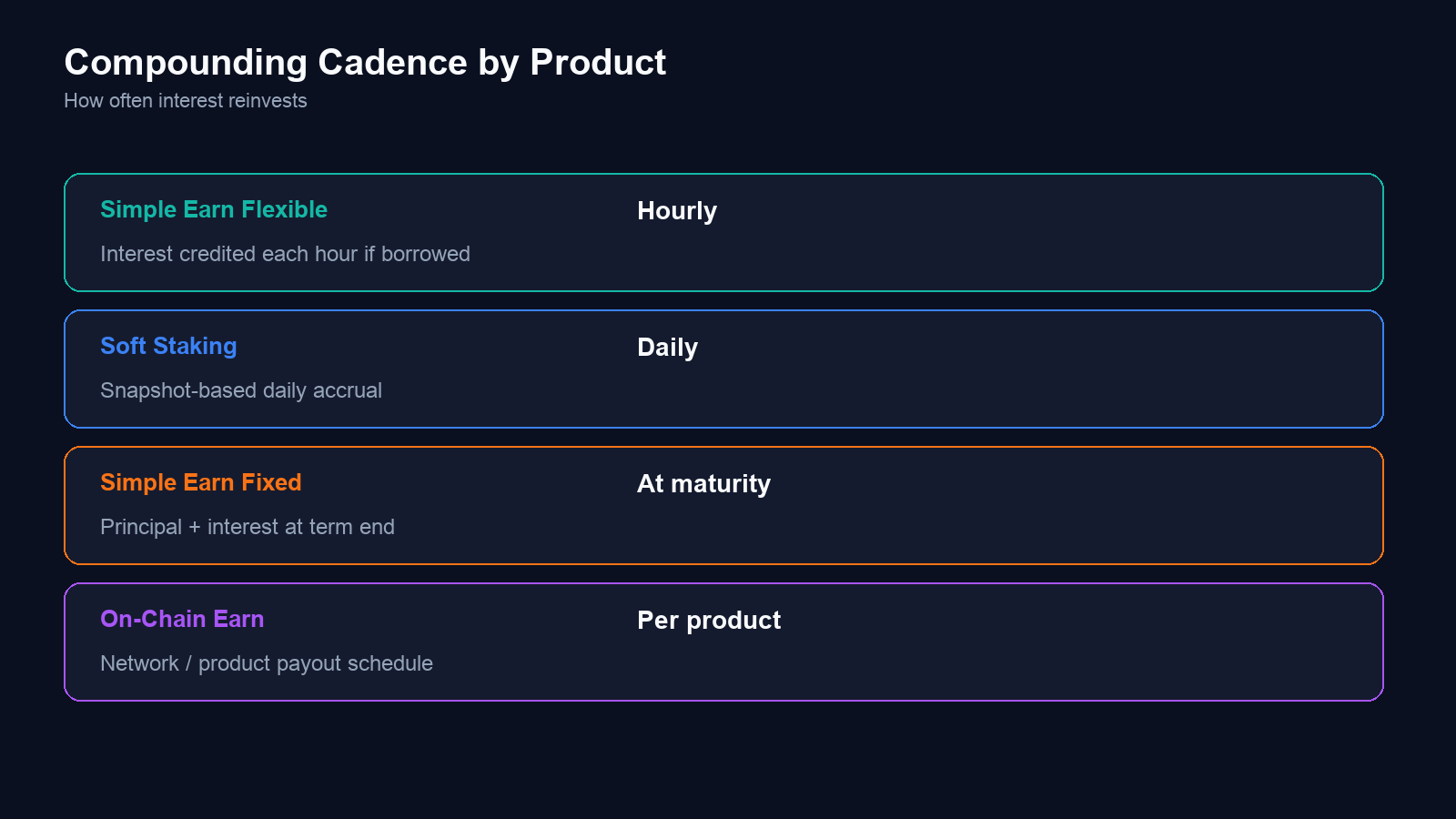
Fig. 1. How often interest compounds varies by product—from hourly Flexible to maturity-only Fixed Term.
How Does Simple Earn Flexible Compound Hourly?
Simple Earn Flexible deploys subscribed assets as working capital for platform lending. Per Simple Earn Flexible rules:
- T+1 hourly payout: if assets are borrowed at hour T, interest for that hour arrives at T+1.
- No interest if you redeem early: redeem before T+1 and you forfeit the prior hour’s interest.
- Hourly auto-reinvest: interest received each hour is automatically reinvested; redemption returns principal plus accumulated interest.
Auto-Earn routes spot balances into Simple Earn Flexible with the same rules—auto-subscription runs at 02:30 and 15:30 UTC+0 daily.
Flexible Est. APR reflects historical data and current borrowing demand and adjusts with markets. Compounding is hourly, but payout lags one hour (T+1)—plan redemptions around that window. Users who hold Flexible positions over a year may see income accumulate as the rate reinvests each hour; the effective return can grow when borrow demand stays elevated, though the displayed rate remains a reference—not a fixed APY promise.
How Does Soft Staking Compound Daily?
Soft Staking accrues on daily average holdings of eligible spot tokens without per-token subscription; Simple Earn vs Soft Staking and earn while holding contrast this with Flexible hourly reinvest. Per Soft Staking FAQ:
- After activation, snapshots for average holdings start at 00:00 UTC the next day.
- First reward credits to spot two days after activation (00:00–08:00 UTC), then daily.
- Daily reward = average holding × APR / 365.
The rate is calculated daily from the snapshot average and annualized percentage; over time, credited rewards that remain on balance can grow the next day’s accrual base. Soft Staking does not use Flexible’s hourly reinvest, but balance-level compounding still affects return when rewards stay in spot.
Soft Staking APR may change daily; frozen assets and open-order balances earn nothing. USDT Soft Staking on the Futures Account uses separate snapshot logic from spot Soft Staking.
Fixed Term: Maturity Settlement vs Mid-Term Payout
Simple Earn Fixed Term compounding differs from Flexible. Per Fixed-Term FAQ:
- Interest accrues from 00:00 UTC+0 the day after subscription.
- At maturity, principal and interest credit together to Spot or Unified Account.
- Est. interest = principal × APR / 365 × term (days); APR may change daily until final settlement at maturity.
The rate applied at settlement is calculated from the variable APR rules in effect through the term. Users who hold to maturity receive principal plus accrued income in one lump sum; over a multi-month year-equivalent hold, that settlement can represent the full compounding return for the locked period. With Auto Renew, principal rolls into the same Fixed Term at maturity; if unavailable, it may move to Flexible or redeem to account.
Early Fixed Term redemption forfeits all accrued interest—principal only returns. That is the main compounding-planning risk (liquidity and redemption risk covers exit rules in full).
Staking and Idle Earn: Different Cadences
Staking (On-Chain Earn) reward frequency varies by PoS network and product—daily, per epoch, or at redemption. Whether rewards auto-redelegate depends on product rules; some Flexible lines compound into holdings; some locked lines show rewards separately or auto-restake. Different networks use different payout cadences, so users should confirm how each chain calculates and credits rewards over time.
Idle Earn targets idle USDT with its own accrual schedule—not Simple Earn Flexible’s T+1 hourly model. Read each product page; do not assume one compounding cadence across Gate Earn.
Simple Earn vs bank savings contrasts Simple Earn with traditional savings settlement frequency—banks often pay daily or quarterly, while Flexible accrues hourly with T+1 payout and auto-reinvest.
Compounding Mechanics by Product
| Product |
Accrual Base |
Payout Frequency |
Compounding Method |
Early Exit Impact |
| Simple Earn Flexible |
Subscribed principal + reinvested interest |
T+1 hourly |
Hourly auto-reinvest |
Forfeit hour if redeem before T+1 |
| Soft Staking |
Daily average holding (incl. credited rewards) |
Daily |
Rewards expand snapshot base |
Frozen/order balances earn nothing |
| Simple Earn Fixed Term |
Subscribed principal |
At maturity |
No mid-term payout |
Early redeem forfeits all accrued interest |
| Auto-Earn |
Same as Flexible |
Same as Flexible |
Same as Flexible |
Same as Flexible |
| Staking |
Varies by network/product |
Varies |
Varies by auto-redelegate |
Lock-up limits free exit |
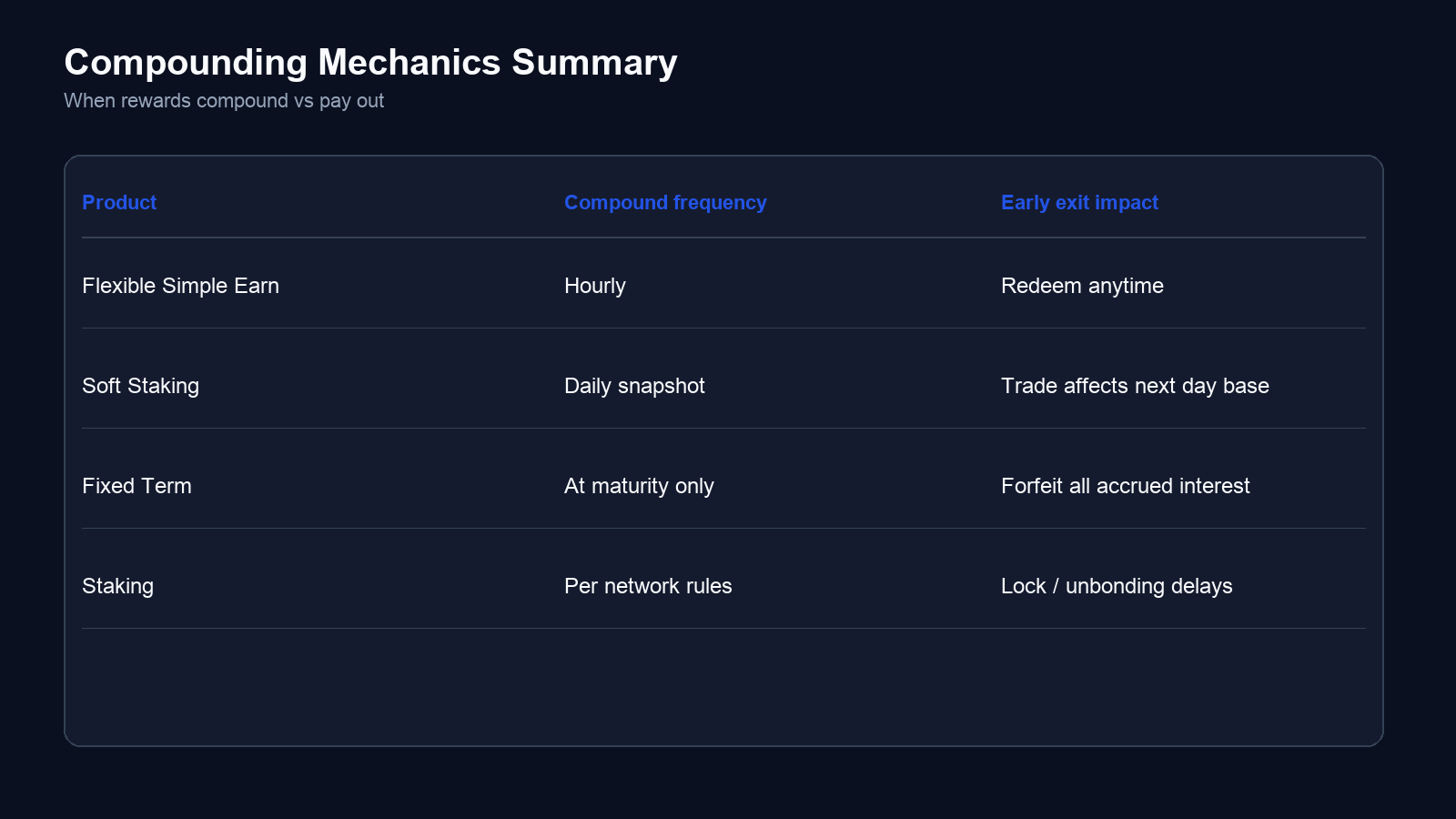
Fig. 2. Payout frequency and early-exit impact across Earn products.
Summary
Gate Earn products do not share one compounding model. Simple Earn Flexible centers on T+1 hourly payout plus hourly auto-reinvest; Soft Staking expands snapshot bases via daily balance credits; Fixed Term settles principal and interest at maturity. Over a year, reinvested interest can grow the effective return compared with simple interest—though Gate displays Est. APR rather than APY on many pages. The rate you see is calculated as an annualized percentage reference; actual income depends on borrow demand, snapshot rules, and how long you use each product across PoS networks and lending pools. Understanding payout cadence helps plan hold periods and redemption timing—especially Flexible’s T+1 window and Fixed Term early-exit forfeiture. Users who want higher reinvestment frequency often prefer Flexible or Soft Staking; those who accept maturity settlement can use Fixed Term when the displayed rate fits their idle window. Est. APR is reference only; compounding mechanics do not guarantee higher returns.
FAQ
What does T+1 mean for Simple Earn Flexible?
T+1 means interest for hour T is paid at T+1. Redeem before T+1 and you forfeit that hour’s interest. Paid interest auto-reinvests for hourly compounding. The effective rate you earn over time depends on borrow demand; users who hold Flexible positions longer can see income grow as reinvested yield compounds each hour across the year.
Do Soft Staking rewards auto-reinvest?
Rewards credit daily to spot. If they remain on balance and are not frozen or in open orders, they enter the next day’s average-holding snapshot—balance-level daily compounding, not Flexible’s hourly reinvest. The percentage rate is calculated from daily snapshots; APY-style return grows when rewards stay in the accrual base over time.
Do I receive interest during a Fixed Term hold?
Fixed Term interest typically settles at maturity with principal—not mid-term. Early redemption forfeits all accrued interest; only principal returns. The return is calculated at settlement using the variable rate rules in effect through the term; income does not grow mid-hold unless you hold to maturity.
Does Auto-Earn compound the same way as manual Flexible subscribe?
Yes. Auto-Earn routes spot into Simple Earn Flexible under the same T+1 hourly payout and hourly auto-reinvest rules. The rate, APY-style growth path, and time-based payout window are identical to manual Flexible Subscribe—users can expect the same compounding mechanics across both entry paths.
Does more compounding always mean higher returns?
Not necessarily. Compounding describes reinvestment mechanics; outcomes still depend on APR level, hold duration, pre-payout redemptions, and token price moves. Est. APR is indicative, not guaranteed. Over a year, frequent reinvestment can grow income when the rate stays favorable—but users should compare calculated percentage displays against actual payout timing before assuming APY-level growth.