This guide is for Gate users holding spot or USDT who want yield but cannot tell which menu entry fits. Idle Earn, Simple Earn, Soft Staking, On-Chain Earn, and Auto-Earn differ in yield source, liquidity, and how much manual Subscribe they require. Below is a scenario-based decision framework.
Key Takeaways
- Gate Earn spans Idle Earn, Simple Earn, Soft Staking, Staking, and Auto-Earn—each with different mechanics and liquidity profiles.
- When you need to trade or withdraw freely, prioritize Soft Staking, Simple Earn Flexible, or Idle Earn; accept lock-up before choosing Fixed Term or locked Staking.
- Auto-Earn and Soft Staking can both be enabled, but eligible assets are prioritized for Auto-Earn (Simple Earn Flexible).
- Check Est. APR, redemption rules, and liquidity and redemption risk before choosing—APR is indicative, not guaranteed.
What Products Sit Under Gate Earn?
Gate Earn is the hub for yield products on Gate. Core lines include:
| Product (Official Name) |
Role |
Typical Action |
| Idle Earn |
Short-term yield on idle USDT |
Deposit USDT; earn and redeem per product rules |
| Simple Earn |
Lend idle tokens for borrowing interest |
Subscribe to Flexible or Fixed Term; includes Auto-Earn |
| Soft Staking |
Automatic yield on eligible spot balances |
Enable once; eligible tokens accrue via snapshots |
| Staking (On-Chain Earn) |
PoS network delegation |
Subscribe to delegate and earn validation rewards |
| Auto-Earn |
Auto-subscribe spot balances to Simple Earn Flexible |
Daily scheduled scans into the lending pool |
Yield sources differ: Simple Earn from platform lending interest; Soft Staking from protocol staking rewards via balance snapshots; Staking from PoS delegation; Idle Earn for USDT idle scenarios. Simple Earn is not “staking”—on-chain PoS rewards belong under Gate On-Chain Earn; PoS staking on Gate explains protocol-layer rewards.
Gate operates as a cryptocurrency exchange where users trade spot and derivatives while routing idle reserves into Earn products. The platform’s Earn service features separate menus for lending, snapshot rewards, and on-chain delegation—each with different trading impact. Before choosing, users should compare displayed rates against liquidity needs and whether balances must stay available for active trading on the exchange. Trading fees, market conditions, and spot reserves all influence how much crypto users can safely move into yield products without disrupting their exchange workflow. The exchange offers multiple Earn features under one hub; users who trade frequently often prioritize products that keep spot balances usable while still earning on idle cryptocurrency.
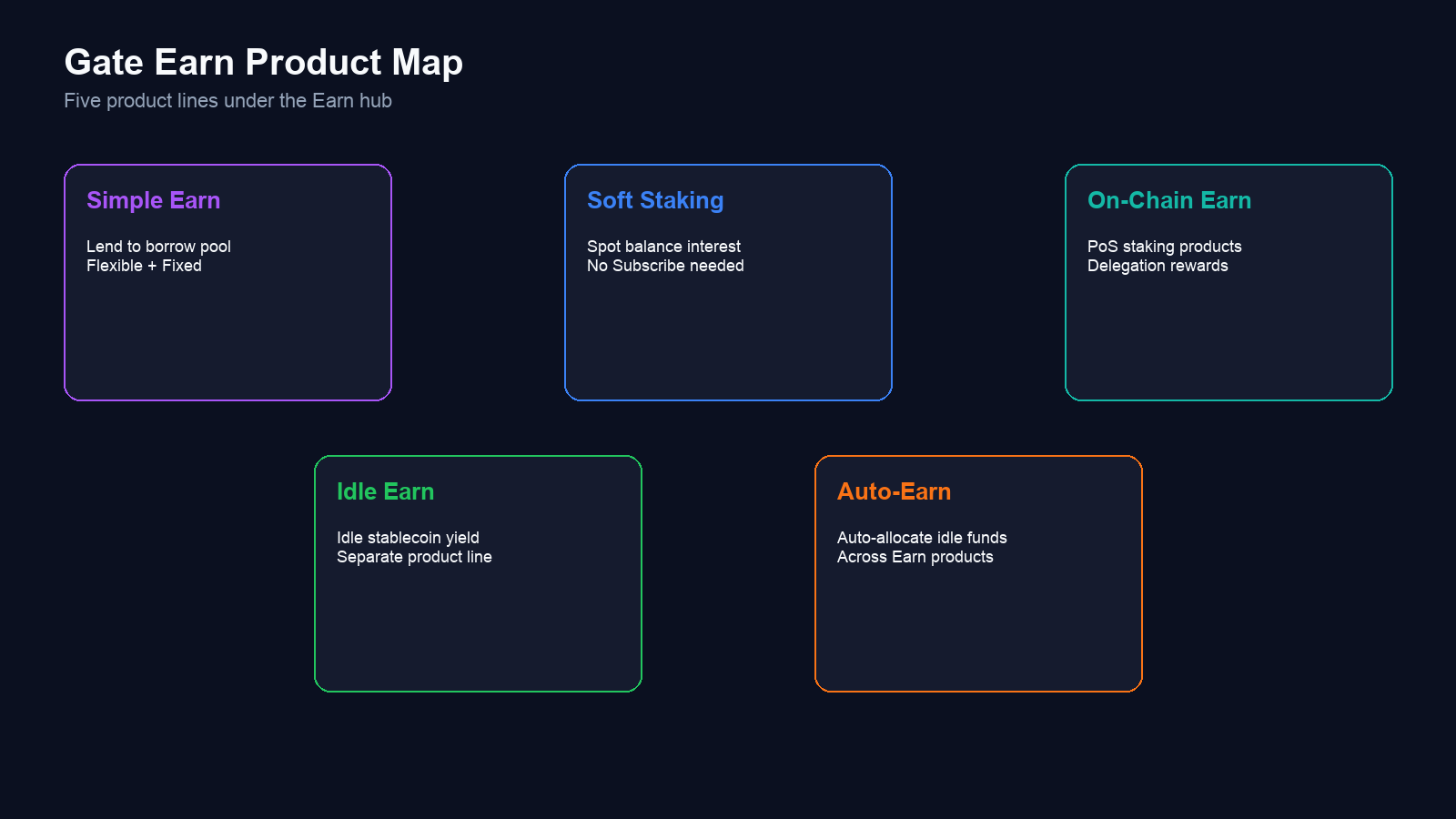
Fig. 1. Five core product lines under the Gate Earn hub.
How Do the Five Products Compare?
| Dimension |
Idle Earn |
Simple Earn |
Soft Staking |
Staking |
Auto-Earn |
| Yield source |
Product rules |
Lending interest |
Snapshot rewards |
PoS delegation |
Same as Flexible |
| Manual subscribe? |
Yes |
Yes (Flexible/Fixed) |
Enable feature |
Yes |
Toggle on |
| Liquidity |
Per product rules |
Flexible higher; Fixed locked |
Spot tradable (except frozen/orders) |
Lock-up + unbonding varies |
Same as Flexible |
| Compounding |
Per product rules |
Hourly auto-reinvest (Flexible) |
Rewards added to balance |
Per product cycle |
Same as Flexible |
| Best for |
Idle USDT, short horizon |
Active idle-token management |
Long-term spot holders |
Lock-up for PoS weight |
Hands-off subscribers |
Compounding cadence differs by product—compounding by product breaks down hourly Flexible, daily Soft Staking, and maturity Fixed Term rules. Users comparing rates across the five lines should note that displayed Est. APR differs by yield source—lending pool rates, snapshot rewards, and PoS delegation each respond to different market drivers on the platform.
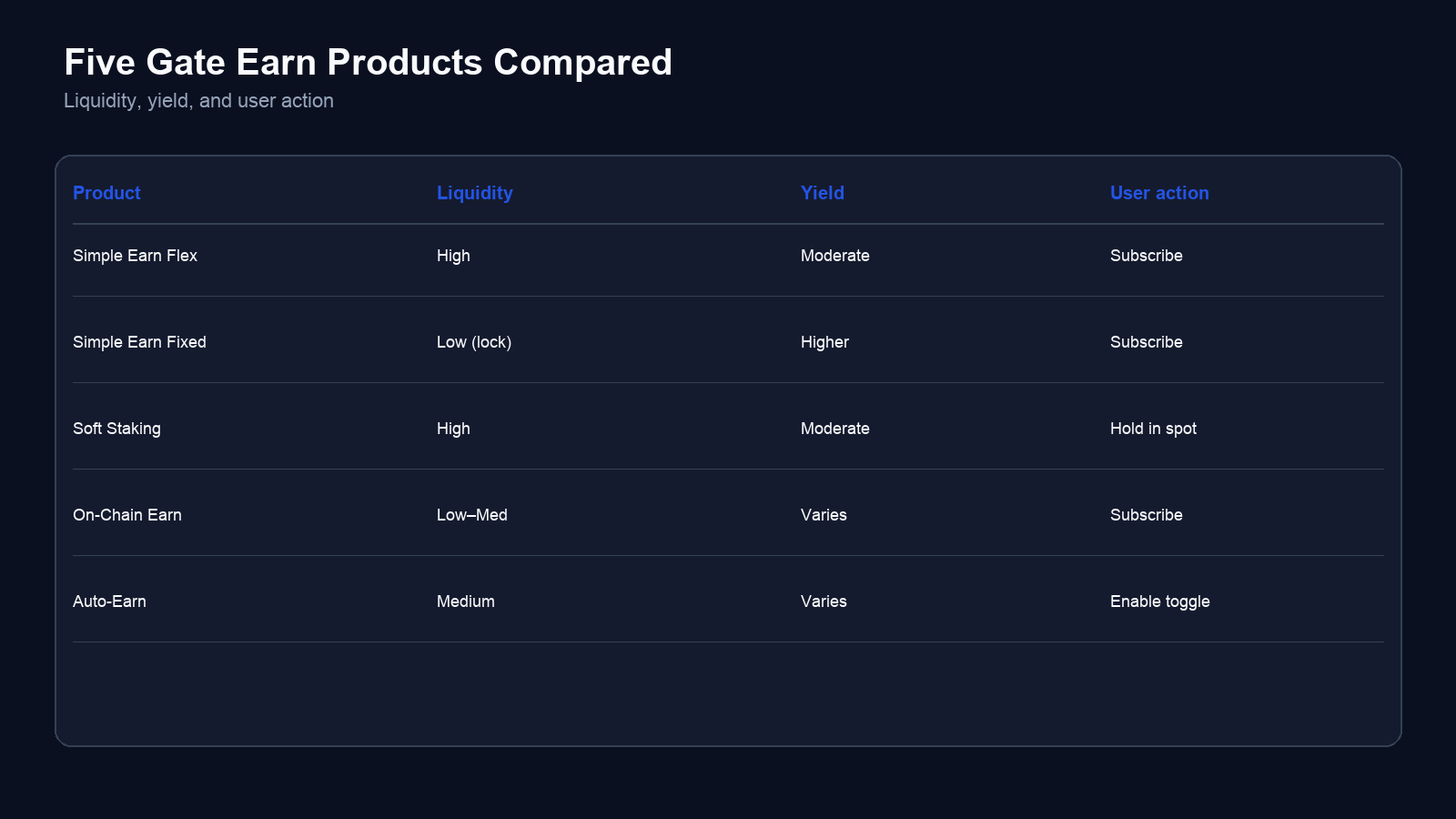
Fig. 2. Side-by-side comparison of liquidity, yield, and required user action across five products.
Which Product Fits Your Scenario?
The table below maps common situations to a better-fit path—“better fit” means mechanism alignment, not higher returns.
| Your Situation |
Start With |
Why |
| Idle USDT you may need soon |
Idle Earn |
Built for USDT idle scenarios—see Idle Earn |
| Multiple idle tokens; you want Flexible vs Fixed control |
Simple Earn |
Manual subscribe; Fixed Term from 3–360 days |
| Long-term spot holdings; no per-token subscribe |
Soft Staking |
Auto accrual via daily balance snapshots |
| Willing to lock for PoS validation rewards |
Staking |
Delegated staking; lock-up and unbonding vary by network |
| Spot balance but you forget to subscribe |
Auto-Earn |
Twice-daily auto-routing into Simple Earn Flexible |
| Need to place orders anytime |
Soft Staking or Simple Earn Flexible |
Frozen assets and open-order balances usually earn nothing |
| Higher APR tolerance with lock-up |
Simple Earn Fixed or locked Staking |
Trade liquidity for term weight—confirm redemption windows |
Simple Earn vs bank savings frames Simple Earn against traditional savings settlement. Exchange users with mixed crypto reserves often split allocations: trading capital stays in spot, while longer-idle cryptocurrency moves into Simple Earn or Soft Staking depending on whether manual Subscribe or snapshot-based service fits better.
Auto-Earn vs Soft Staking: How to Choose?
Both reduce manual subscribing, but mechanics differ. Auto-Earn routes available spot or Unified Account tokens into Simple Earn Flexible; Soft Staking snapshots eligible spot balances daily for protocol-layer staking rewards. Simple Earn vs Soft Staking and earn while holding map the split.
If both are enabled, the system prioritizes Auto-Earn (Simple Earn Flexible) for eligible assets over Soft Staking. Therefore:
- Want lending-pool interest → enable Auto-Earn.
- Want snapshot-based protocol rewards on supported tokens → enable Soft Staking, and verify where balances actually route.
- To maximize one path → usually enable only one, or check allocation before subscribing.
Under Soft Staking, frozen assets and tokens in open orders do not earn. USDT Soft Staking on the Futures Account has separate snapshot rules (e.g., balance ≥ 10 USDT)—confirm on the product page. Users who trade derivatives and spot simultaneously should verify which account balances qualify for each Earn service feature before enabling both Auto-Earn and Soft Staking on the exchange.
What to Verify Before You Choose?
Regardless of path, confirm before acting:
- Est. APR: indicative, adjusts dynamically—not fixed yield (Simple Earn Flexible rules). Rates on the platform shift with borrow demand, network conditions, and market activity.
- Redemption timing: Flexible supports real-time redemption with possible delays; Fixed Term early exit forfeits all accrued interest; Staking depends on lock-up and unbonding.
- Min/max limits: Soft Staking caps rewards at upper holding limits.
- Trading impact: frozen balances and open-order reserves usually earn nothing—users who trade actively should factor trading fees and spot availability into their Earn choice.
- Non-principal-protected: all Gate Earn products carry market and product rule risk on the cryptocurrency exchange.
For liquidity and redemption risk by product, see the Key Takeaways above and the dedicated risk section in this guide.
Summary
Idle Earn, Simple Earn, Soft Staking, Staking, and Auto-Earn under Gate Earn map to different yield sources, effort levels, and liquidity profiles on the exchange. Clarify whether funds must stay tradable for trading, whether you accept manual subscribe or lock-up, then use the scenario table. When Auto-Earn and Soft Staking run together, Auto-Earn takes priority. Exchange users should read live product rules, compare rates across service features, and treat Est. APR as reference—products are not principal-protected. The platform offers cryptocurrency yield paths for different reserves and market outlooks; no single product fits every user on the trading platform.
FAQ
Which Gate Earn product has the best liquidity?
Simple Earn Flexible and Soft Staking usually offer the most day-to-day flexibility—Flexible allows real-time redemption (with possible delays under load); Soft Staking keeps assets in spot for trading. Idle Earn follows its own rules; Fixed Term and locked Staking are least liquid. Confirm on each product page.
Can Auto-Earn and Soft Staking run together?
Yes, but eligible assets are prioritized for Auto-Earn (Simple Earn Flexible). If Soft Staking rewards are the goal, verify actual balance allocation or enable only one path.
Simple Earn or Staking—which should I pick?
Simple Earn is platform lending interest; Staking is PoS delegation with network validation rewards. Choose Simple Earn to avoid on-chain lock-up; choose Staking for PoS rewards if you accept lock-up terms.
How is Idle Earn different from Simple Earn?
Idle Earn targets short-term idle USDT scenarios; Simple Earn supports multiple tokens across Flexible and Fixed Term lending. Entries, rules, and supported assets differ—check Idle Earn and Gate Simple Earn product pages.
What should I check first before choosing?
Liquidity needs (lock-up tolerance), yield source (lending vs snapshots vs delegation), redemption rules, and APR methodology. APR is estimated; Fixed Term early redemption forfeits all accrued interest; Staking may add unbonding wait time. Users on the exchange should also confirm trading fees, spot reserves, and whether crypto balances must stay available for active market orders before routing funds into any Earn service.