The most practical options are those that solve a real payment problem: lowering cross-border friction, improving access to global merchants, moving value outside banking hours, or allowing crypto holders to spend assets without manually cashing out first. This guide compares six everyday crypto payment use cases by cost, speed, accessibility, and practicality.
Key Takeaways
-
Stablecoins such as USDT and USDC are increasingly important for payments because they reduce the price volatility associated with assets such as BTC or ETH.
-
Cross-border transfers remain one of crypto’s strongest practical use cases, although total costs must include on-ramp, network, exchange-rate, and off-ramp fees.
-
In the U.S., spending crypto on goods or services is generally treated as a disposal of a digital asset and can create a capital gain or loss.
-
Gate users can access several payment routes depending on region, including Gate Card for eligible everyday card spending and Gate Pay for crypto merchant and payment use cases.
How We Chose the Best Everyday Crypto Payment Uses
The six use cases below were evaluated based on transaction cost, settlement speed, merchant acceptance, ease of use, and whether crypto offers a meaningful advantage over a normal card or bank transfer.
The goal is not to argue that crypto should replace traditional payments everywhere. A traditional credit card may still be better for a hotel booking with strong chargeback protections, while a bank transfer may be easier for a domestic rent payment. Crypto becomes more useful when international access, settlement speed, stablecoin availability, or direct ownership of digital assets materially improves the payment experience.
1.Online Shopping and E-Commerce
Online shopping is one of the clearest examples of crypto moving closer to mainstream payment infrastructure, and one of the most visible uses of cryptocurrency payments.
Instead of requiring every merchant to hold cryptocurrency directly, modern payment service providers can handle the conversion in the background and support businesses that want to accept crypto payments or accept cryptocurrency without holding it directly.
CoinGate’s H1 2026 data also shows the growing importance of stablecoins in merchant payments. USDC, or USD Coin, accounted for 22.1% of its payment orders and is pegged to the US dollar, slightly ahead of Bitcoin at 21%, while merchants converted 75.4% of orders into fiat rather than keeping the payment in crypto.
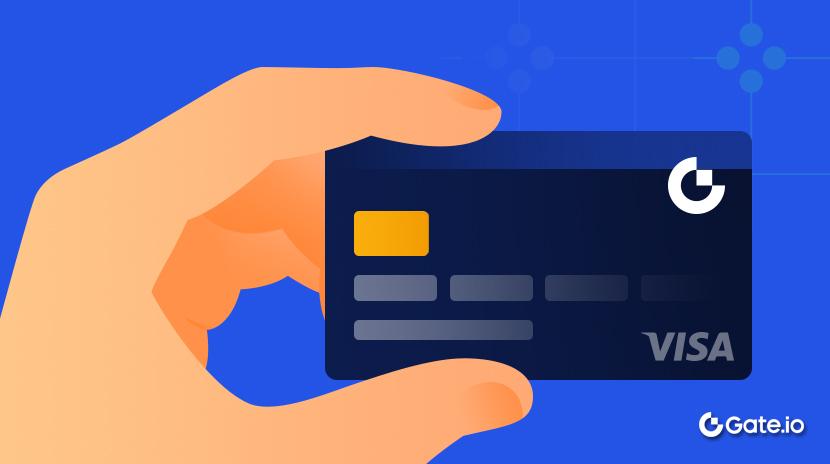
For consumers, crypto checkout can be useful when a merchant supports a wallet they already use or when a crypto-enabled card extends access to conventional card acceptance. Gate Card, for example, allows eligible users to spend supported assets such as USDT, BTC, ETH, and GT through applicable Visa or Mastercard card programs, depending on region and card type.
However, direct crypto checkout is still far from universal, and spending crypto can create tax-recording obligations depending on jurisdiction.
2.Cross-Border Transfers and Remittances
Cross-border transfers are one area where crypto can offer a genuine structural advantage because blockchain networks operate continuously rather than relying on correspondent banking windows. That continuity is possible because blockchain technology can settle value across borders at any time without waiting for bank operating hours.
The World Bank’s latest Remittance Prices Worldwide data shows that the global average cost of sending remittances remained around 6.36% in Q3 2025. The cost of sending $200 varies significantly by country, provider, payment method, and receiving corridor. Global crypto transaction volume reached $10.6 trillion in 2024, which shows the scale crypto transactions already have in cross-border use.
Stablecoins can provide an alternative route. Stablecoin payments surpassed $5.8 trillion in 2024, reinforcing why they matter for remittances. A sender can acquire USDC or USDT, transfer it over a supported network, and allow the recipient either to keep the stablecoin or convert it into local currency.
The key advantage is not that crypto transfers always cost “under 1%.” Total cost includes the buy price, exchange fees, network fees, withdrawal charges, and the recipient’s off-ramp spread. On a low-cost network, the blockchain fee itself may be very small, but the end-to-end cost can still vary substantially.
Crypto transactions can also support faster digital payments than many bank-based international transfers because the transfer itself does not depend on banking weekends or international wire cut-off times. However, the fiat conversion at either end may still involve banks or regulated payment providers.
3.Peer-to-Peer Payments and Bill Splitting
Crypto is also useful for direct person-to-person transfers, which remain one of the most common forms of digital payments between individuals.
Instead of relying on an app-specific balance, users can send an asset directly between compatible wallet addresses using a crypto wallet to send and receive payments. A stablecoin transfer can be initiated through a QR code or wallet address and settle according to the underlying blockchain’s confirmation rules.
This is particularly useful when two people already use the same network or when the payment crosses national borders. The sender does not need the recipient’s bank-account details, and the transfer can occur outside conventional banking hours.
Low-cost networks and Layer 2 systems can make small transfers economical, although fees should not be described as permanently fixed. Network costs change with congestion, network design, and the specific token being transferred.
The trade-off is responsibility. Blockchain payments generally cannot be reversed once confirmed. A mistyped address, wrong network selection, or compromised wallet can lead to permanent loss, and users are responsible for private keys or custodial access depending on wallet type.
For users who prefer a more managed environment, exchange-based payment services can provide a simpler interface. Gate Pay, for example, supports QR-based and crypto-payment flows within Gate’s payments ecosystem, while availability and supported functions depend on region and account type.
4.Subscriptions and Digital Services
Subscriptions are becoming more practical for crypto users even when the merchant does not directly support blockchain payments.
Crypto cards provide the most straightforward workaround. Instead of requiring Netflix, Spotify, a cloud service, or another subscription provider to accept crypto directly, a card product converts eligible digital assets as part of the card payment process.
Gate Card currently supports two broad spending models depending on the specific card: Instant Spend Mode and prepaid-style card funding. In Instant Spend Mode, Gate lists USDT, BTC, ETH, and GT among the supported assets. Gate also launched a revised rewards program in July 2026 offering up to 8% cashback for eligible users.
5.Tipping Creators and Micropayments
Micropayments are one of the use cases where traditional card economics can be inefficient in online transactions, especially when fixed processor fees become large relative to a small payment and can outweigh the amount sent to support a creator.
Sending a $1 or $2 tip through a low-cost crypto network can make more sense when both creator and supporter already use digital assets or digital coins. Bitcoin’s Lightning Network is designed for rapid, low-value BTC payments, while several Layer 2 and lower-cost blockchain networks make stablecoin micropayments possible.
CoinGate also reported that Lightning handled 9.6% of its BTC payments in H1 2026, indicating that it continues to serve a real payment niche for smaller Bitcoin transactions.
However, direct crypto tipping is still fragmented. It should not be described as a standard feature across major social networks. In most cases, creators rely on wallet addresses, QR codes, dedicated crypto-payment services, or third-party platforms rather than built-in crypto tipping from every mainstream network.
6.Bills and Everyday Card Spending
Direct crypto payment of utilities, rent, or household bills remains less mature than shopping or P2P transfers because few billers or physical stores in mainstream retail directly accept crypto. Many service providers still require local bank transfers, cards, or direct debit.
Crypto cards bridge this gap because the merchant can continue accepting a conventional card payment while the user funds the transaction from digital assets.
Gate Card is one example. Gate allow eligible users to spend digital assets through card networks, with card availability, issuer, network, supported currencies, and fees varying by region. Instant Spend Mode supports major assets including USDT, BTC, ETH, and GT, while prepaid card modes may support additional assets.
For users who already receive income or hold savings in stablecoins, this can reduce the need to repeatedly transfer assets to a bank before spending them.
That does not mean crypto automatically makes bills cheaper. Conversion fees, FX fees, card fees, and tax consequences still need to be considered.
Stablecoins vs Volatile Crypto for Payments
For everyday payments, stablecoins often make more sense than traditional currency alternatives in crypto because their day-to-day value is usually more predictable than volatile assets.
If a subscription costs $20, paying 20 USDC is easier to treat like money because its value is designed to track the US dollar. Paying in BTC requires calculating the BTC equivalent at the time of payment, and the value of the BTC may have changed significantly since it was acquired. This partly explains why stablecoins are becoming increasingly visible in merchant payment data.
Stablecoins still carry their own risks, including issuer, reserve, regulatory, network, and depegging risk. They should not be treated as identical to insured bank deposits or traditional money. They are still digital currency, not insured bank cash or legal tender in most jurisdictions.
Tax Considerations When Spending Crypto
Tax treatment depends on jurisdiction.
In the United States, theInternal Revenue Service treats virtual currency and other digital assets as property rather than currency for federal tax purposes. Using a digital asset to purchase goods or services is generally considered a disposal, meaning the user can recognize a capital gain or loss based on the difference between their basis and the value received. Realized gains on crypto held over a year are capital gains.
The IRS specifically confirmed in updated guidance that paying for services with digital assets can create a capital gain or loss. The IRS also requires detailed records of cryptocurrency transactions, and users should record fair market value at the time of receipt for tax purposes.
Transfers between wallets you own are generally different because ownership has not changed, so not every move is a taxable event, although transaction fees paid in crypto can have separate tax implications.
Users outside the U.S. should follow the rules applicable in their own jurisdiction rather than assuming the U.S. treatment applies globally. Review local tax laws and seek professional advice rather than treating this article as investment advice.
How to Get Started With Everyday Crypto Payments
Start by deciding whether you want to use cryptocurrency directly for payments or simply spend your crypto balance through a card.
For direct wallet-to-wallet payments, choose the appropriate asset and blockchain and confirm that the recipient supports the same network, whether they receive it through a digital wallet or an exchange app.
For ordinary merchants, a crypto-enabled card can be easier because the merchant does not need to understand crypto at all.
Some users first buy through a crypto exchange or centralized exchange before spending.
For online merchants that explicitly support crypto checkout, review the quoted asset amount, network, exchange rate, and applicable network fee before confirming.
Gate users can use Spot markets to acquire supported stablecoins and crypto assets, manage crypto holdings before they spend, access Gate Pay where available for crypto payment use cases, or apply for an eligible Gate Card to bridge digital assets into conventional merchant spending. Gate Card currently advertises up to 8% cashback for qualifying purchases, subject to tier and regional eligibility.
Conclusion
The best everyday crypto payments in 2026 are the ones where blockchain infrastructure solves a real problem, especially where decentralized rails improve on the legacy financial system. Cross-border transfers reduce dependence on correspondent banking, stablecoin P2P payments make 24/7 transfers possible, and crypto cards allow digital assets to work with existing merchant networks. Online checkout and micropayments are also becoming more practical as payment processors support more assets and lower-cost networks.
Crypto is still not the best payment method for every transaction. Consumer protections, tax treatment, merchant acceptance, conversion fees, and network risk all matter. For users who already hold digital assets, however, tools such as stablecoins, Gate Pay, and Gate Card increasingly make it possible to move from holding crypto to actually using it in everyday financial life, though broader everyday utility still depends on widespread adoption.
FAQ
What is the easiest way to pay with crypto in everyday life?
For merchants that do not directly accept crypto, a crypto-enabled card is usually the easiest option because the merchant receives a conventional card payment while the user’s digital assets fund the transaction.
Which crypto is best for everyday payments?
Stablecoins such as USDT and USDC are often practical because their value is designed to track fiat currencies. They are designed to track the US dollar more closely than volatile crypto assets. Bitcoin can also work well, particularly through Lightning for smaller transfers.
Are crypto payments cheaper than cards?
Not always. Direct blockchain transactions can have low fees, but conversion spreads, network fees, exchange fees, and tax consequences should be considered. Cards may also provide consumer protections that blockchain payments do not.
Can I pay with crypto internationally?
Yes, if the recipient or merchant accepts the asset and network you use. Cross-border transfers are one of crypto’s strongest use cases because blockchain networks operate continuously.
Can I use Gate Card for everyday purchases?
Eligible Gate Card users can spend supported digital assets through applicable Visa or Mastercard merchant networks. Exact card availability and features depend on region and card type.
Does Gate support crypto payments for merchants?
Gate Pay provides merchant crypto-payment infrastructure for businesses that want to accept crypto, including merchant payment and QR-based payment functionality, subject to supported regions and account requirements.