Crypto processing allows businesses to accept digital currencies through blockchain payment systems. This reference explains stablecoin checkout, payment gateways, settlement options, transaction costs, and compliance requirements.
Crypto processing allows businesses to accept digital currencies, verify blockchain transactions, and settle payments in cryptocurrency or fiat currency. Stablecoin payments have become particularly relevant because they combine blockchain settlement with relatively predictable value. This guide explains crypto payment gateways, checkout flows, costs, and compliance considerations for merchants, payment providers, and international businesses.
Key Takeaways
-
Crypto processing enables merchants to accept crypto payments through blockchain networks, payment links, integrated checkout systems, or direct wallet transfers.
-
Stablecoins are digital assets designed to maintain a stable exchange rate with traditional currencies, commonly the US dollar.
-
Stablecoin transactions can settle on-chain within seconds or minutes, depending on network conditions and confirmation requirements.
-
Crypto payment gateways automate transaction monitoring, payment confirmation, wallet management, and optional fiat conversion.
-
Stablecoin infrastructure can support faster cross-border payments, but regulatory requirements, liquidity, and counterparty risk remain important.
What Is Crypto Processing?
Crypto processing is the infrastructure used to receive, verify, reconcile, and settle cryptocurrency payments.
Unlike traditional payment systems that depend on banks and card networks, blockchain payments are verified through distributed networks.
A cryptocurrency payment gateway connects customers, merchants, wallets, and settlement services. Payment service providers may also manage compliance tools, fiat conversion, and crypto payouts.
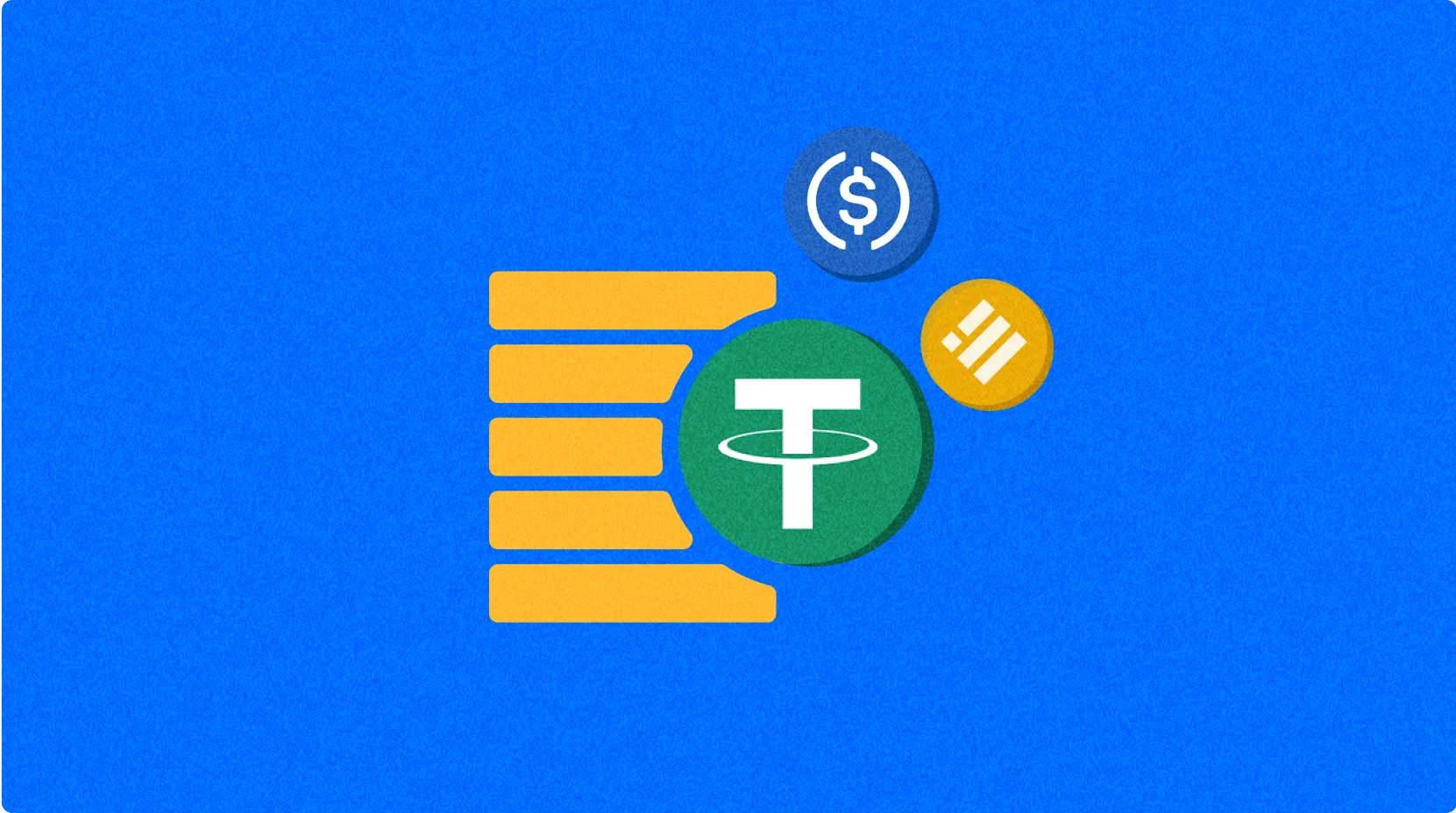
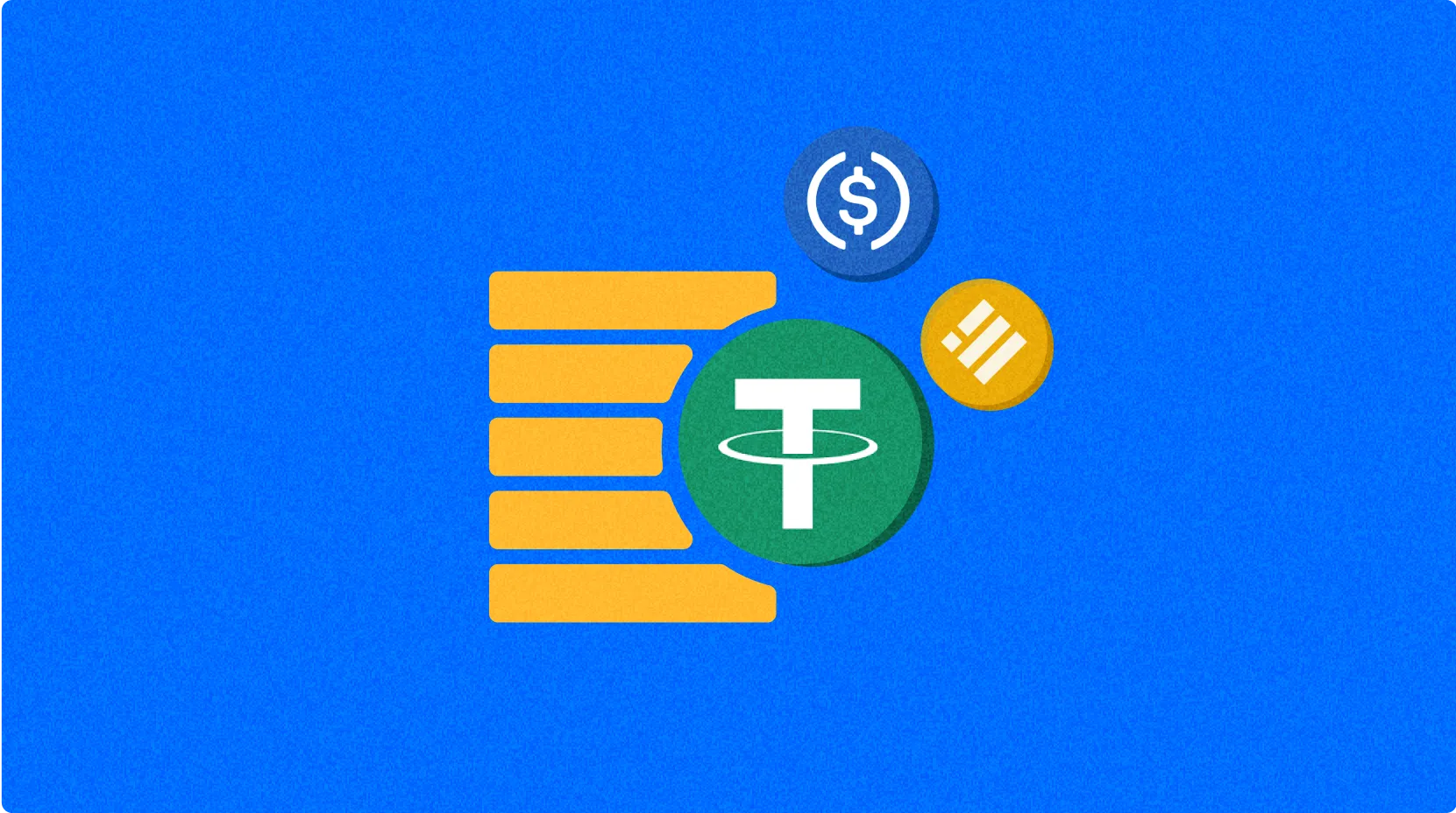
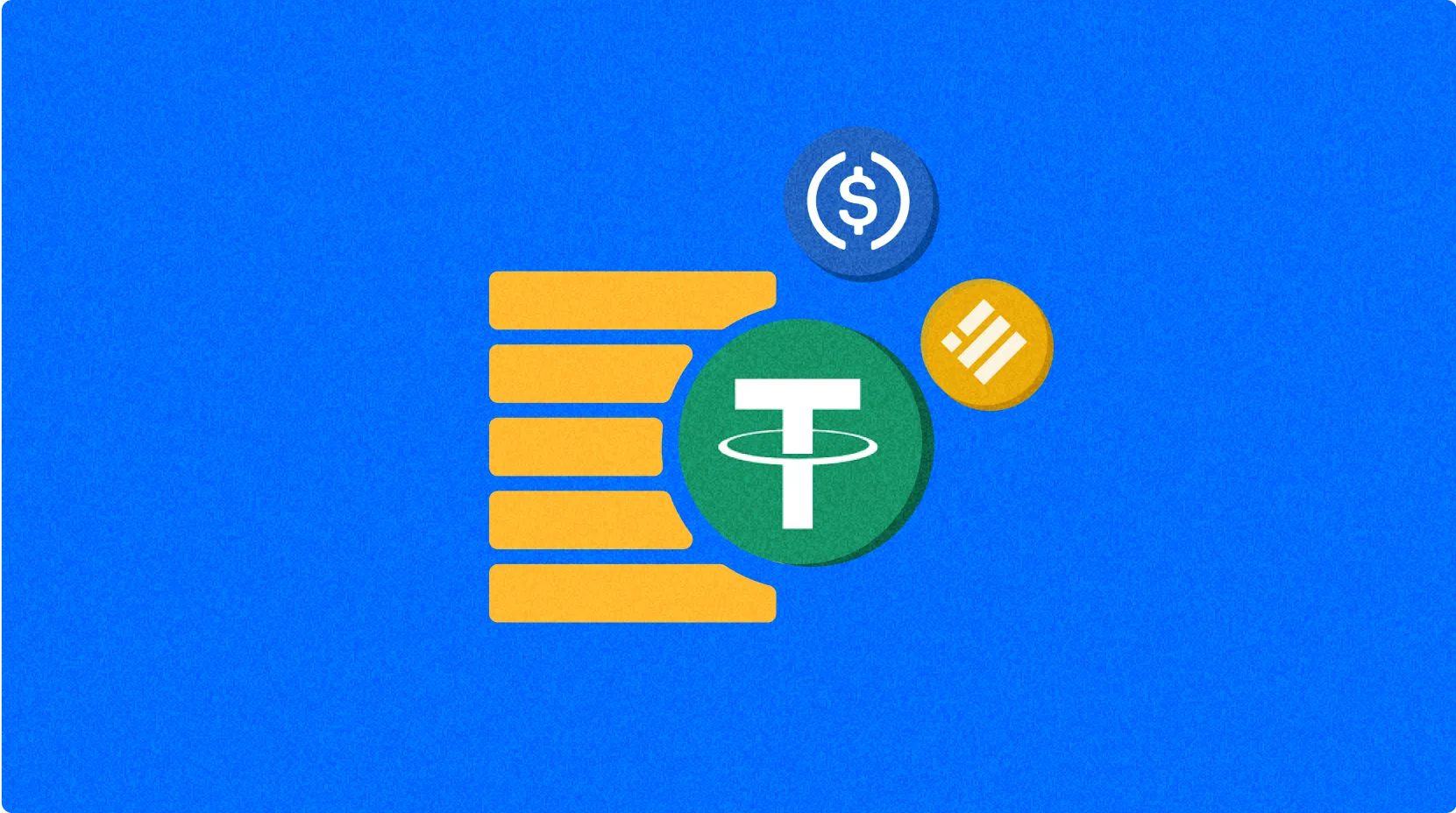
Stablecoins are especially useful for business payments because their intended price stability reduces exposure to the price volatility associated with Bitcoin and other crypto assets.
For example, USDC, issued by Circle, is designed to maintain a 1:1 value against the US dollar through reserve backing and redemption arrangements. However, market prices can temporarily differ from the peg.
How Stablecoin Checkout and Crypto Payment Gateways Work
A crypto payment gateway manages payment flows between customers and merchants.
The typical process includes:
-
Payment initiation: A customer selects cryptocurrency as the preferred payment method during online checkouts.
-
Payment instructions: The gateway generates a wallet address, QR code, or payment link.
-
Blockchain transfer: Customers pay using supported digital currencies and blockchain networks.
-
Transaction verification: Automated transaction monitoring confirms that crypto funds have arrived.
-
Settlement: Merchants receive stablecoin balances or fiat currency through instant conversion where supported.
-
Reconciliation: The provider records payment details, transaction volume, and settlement status for accounting.
Payment gateways can integrate with e-commerce platforms through existing plugins, reducing or eliminating custom coding requirements for supported installations.
Automated reconciliation also helps subscription businesses and merchants handling frequent transactions maintain accurate financial records.
Managed Gateways vs. Direct Wallet Acceptance
FeatureManaged payment gatewayDirect crypto walletCheckout flowsAutomatedMerchant-managedPayment confirmationGateway monitoringBlockchain trackingWallet managementProvider-managed optionsMerchant-controlledFiat settlementOften supportedSeparate conversionCompliance toolsMay be integratedIndependently arrangedFeesProcessing and network feesNetwork and operational fees
Choosing the right crypto payment gateway depends on transaction volume, supported assets, settlement preferences, and operational complexity.
Stablecoin Payments for Global and Cross-Border Transactions
Stablecoin payments allow businesses to transfer digital assets across international markets without relying on conventional banking hours.
Networks such as Polygon and Arbitrum may offer lower transaction fees than Ethereum mainnet, although actual costs vary.
The main benefits include:
-
Faster cross-border payments: On-chain settlement may complete within minutes rather than traditional banking timelines.
-
Lower fees: Network costs can reach a few basis points at institutional transaction volumes, excluding conversion and service charges.
-
Continuous availability: Blockchain networks operate 24/7.
-
Treasury efficiency: Stablecoin accounts can support international invoices, supplier settlements, and crypto payouts.
-
Predictable value: Currency-pegged assets simplify cash flow planning and treasury management.
However, stablecoin settlement does not guarantee immediate access to a bank account. Fiat off-ramps, banking partners, and regulatory checks can introduce delays.
Businesses receiving funds across multiple jurisdictions must also consider exchange rate spreads and local currency conversion costs.
Crypto Payment Infrastructure, Risks, and Compliance
Stablecoin infrastructure combines blockchain networks, digital wallets, financial institutions, and payment providers.
Secure wallet management protects private keys and client assets, while smart contracts may automate transaction execution and treasury operations.
Key operational considerations include:
Risk or requirementBusiness implicationStablecoin depeggingPotential loss of predictable valueCounterparty riskDependence on issuers and settlement providersWallet securityUnauthorized transfers or lost crypto fundsRegulatory complianceKYC, AML, sanctions, and licensing checksAccountingAudit trails, reporting, and balance sheet treatmentTransaction finalityLimited ability to reverse confirmed payments
Blockchain transaction finality generally removes conventional card chargebacks from direct stablecoin transfers, although refunds, disputes, and provider adjustments remain possible.
The FATF guidance for virtual asset service providers establishes international expectations for anti-money laundering controls and risk-based supervision.
In the European Union, MiCA regulates specified crypto-asset activities. Firms providing regulated services generally require Crypto-Asset Service Provider authorization or an applicable exemption. Certain stablecoin payment activities may additionally require payment-services authorization.
Fipto identifies itself as holding both MiCA CASP and Payment Institution licenses in France, illustrating how providers can combine digital asset and traditional payment infrastructure.
How Gate Can Help
Businesses evaluating cryptocurrency payment systems can examine Gate Pay, which supports crypto collection, checkout, payouts, and digital-asset operations.
Gate Pay provides an example of how payment infrastructure can connect customer transactions with merchant settlement workflows.
Businesses should verify supported networks, available settlement currencies, merchant eligibility, transaction costs, and regional restrictions before implementing any payment solution. Crypto payment functionality does not eliminate regulatory obligations or financial risks.
Conclusion
Crypto processing connects blockchain payments with merchant checkout, treasury management, and settlement infrastructure. Stablecoins make these systems more practical for international transactions by offering relatively stable digital value and continuous network availability.
The main considerations are payment gateway capabilities, total processing costs, asset security, regulatory compliance, and fiat conversion arrangements. Businesses should assess these factors before replacing or supplementing traditional payment methods.
FAQ
How long do stablecoin payments take?
Stablecoin payments can settle on-chain within seconds or minutes. Some transfers complete in under five minutes, but confirmation requirements, congestion, compliance checks, and fiat withdrawals affect total processing time.
Can businesses accept stablecoins without a payment gateway?
Yes. Businesses can accept digital currencies directly into a crypto wallet. However, they must independently manage wallet security, transaction tracking, reconciliation, refunds, and applicable compliance requirements.
Are stablecoin payments cheaper than bank transfers?
Stablecoin payments can reduce costs, particularly for certain cross-border transactions. Total expenses depend on blockchain fees, payment providers, currency conversion, liquidity, and settlement services.
Are crypto payment gateways regulated?
Regulatory requirements depend on the jurisdiction and services provided. Crypto asset service providers may require licensing, KYC procedures, AML controls, and transaction monitoring. Direct merchant acceptance is not automatically subject to identical licensing rules.
Are stablecoins guaranteed to maintain their value?
No. Stablecoins target price stability through reserves, redemption mechanisms, or other designs, but issuer failure, liquidity problems, and market conditions can cause deviations from their intended peg.
* The information is not intended to be and does not constitute financial advice or any other recommendation of any sort offered or endorsed by Gate.